



Let’s start with a fundamental truth: a low-priced garment isn’t always truly cheap.
The price we see on the labels it’s just one side of the story, there’s also another one, hidden but significant. It reveals itself in the raw materials, in the manufacturing processes, in the duration of its use and in the time before having to buy something new.
In contemporary fashion, low prices are a norm but we rarely stop to consider the true cost of what we wear.Most importantly, we should ask ourselves: Who really pays for it?
The hidden cost
When a garment comes with a very low price, it means that someone or something along the production chain had to sacrifice value. Usually the choice falls back on the raw materials, where convenience is chosen over long lasting quality. Less durable fibers, rushed treatments and unpolished finishes, all designed to quickly get the garment on the market, not to make it last long.
In addition, production is often outsourced to distant, fragmented locations, making it harder to supervise. Long supply chains make it challenging to verify ethical working conditions, environmental impact, and product quality. The result is clothing designed to be quickly replaced, not to be worn and lived in.
The numbers are evidence of this dynamic. At the global level, the textile industry generates around 92 million tons of waste every year and less than 1% of the used materials are recycled to produce new garments. In Europe, each person consumes on average 26 kg of textile products per year and disposes of about 11 kg , mostly in landfills or by incineration.
A lower price today, usually means a necessary purchase tomorrow.
Two ways of setting prices in fashion.
There are two opposite approaches to price construction.
The first approach focuses on compromising quality, durability, and oversight. This is the typical fast fashion model: large volumes, low margins and continuous turnover. In this system the price is the final goal, not the result of a virtuous process.
Il secondo approccio è rendere visibili i costi e assumersene la responsabilità. Significa accettare che materiali migliori, lavorazioni accurate e produzioni più lente abbiano un prezzo diverso. Non perché “costano di più”, ma perchéOn the other hand, the second approach is more transparent about its costs and takes responsibility for them. This means acknowledging that better materials, careful craftsmanship, and slower production come at a different price. It’s not because they “cost more”, it’s because they are worth more.
Risvolta chooses this second path: not to shift elsewhere what conveys real value, but to keep it inside the product. in its price. In its story.
Quality as starting poin
At Risvolta, quality isn’t a random outcome, but the starting point.
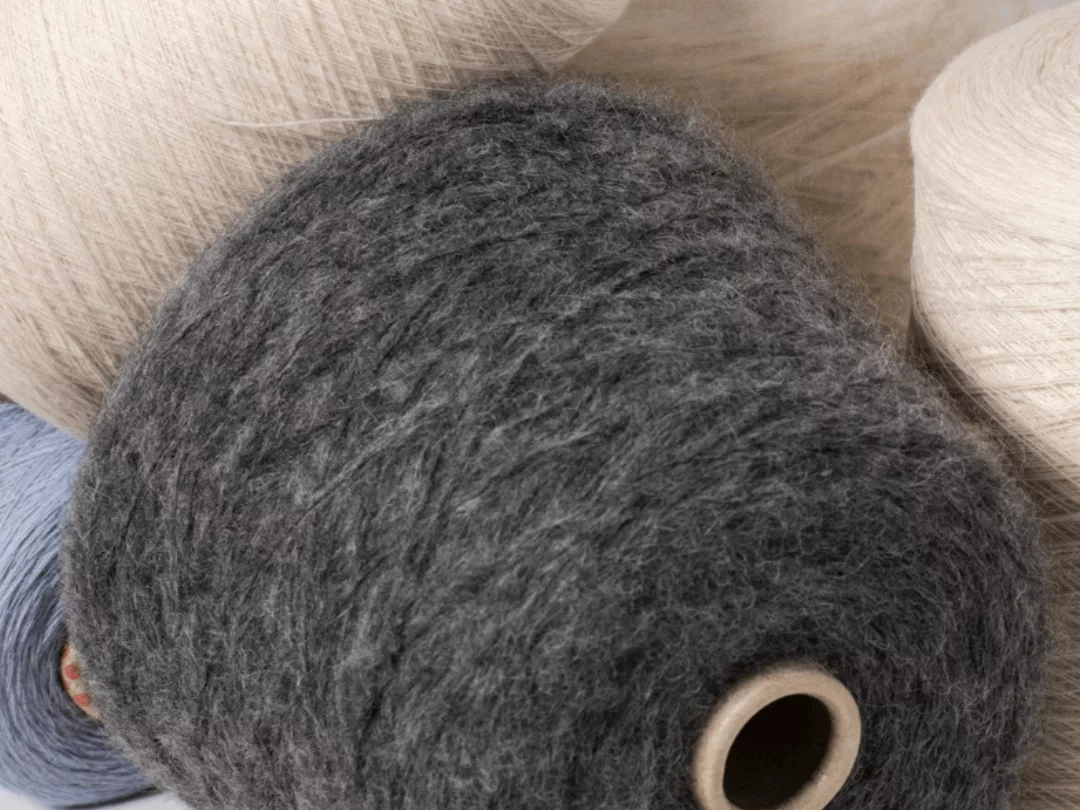
Yarns are selected for their resistance, comfort and durability, not for the lowest cost.
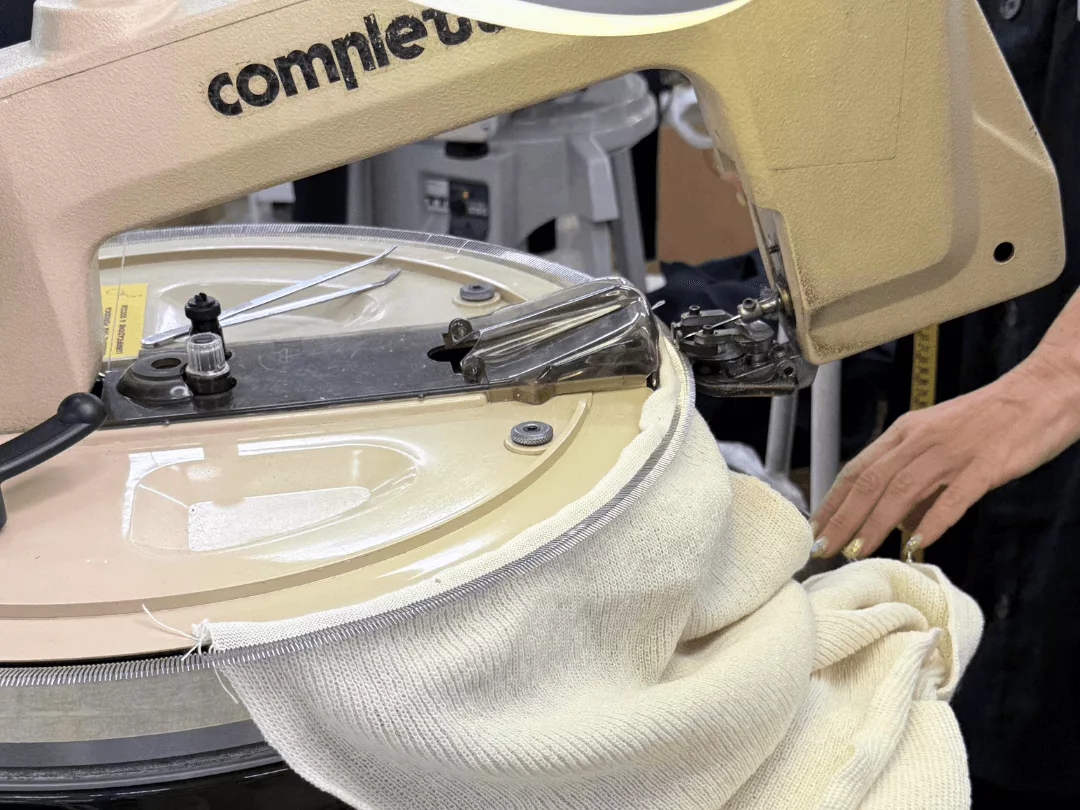
Artisanal craftsmanship requires time, skills and care; producing garments that maintain their design, texture and utility over time.
Production takes place in small batches, without overproduction. This reduces waste and unsold items, but mostly it allows full control over each phase of the process. Every garment is designed to be worn over and over again, not to follow an accelerated seasonal cycle.
The textile sector consumes over 90 billion cubic meters of water and generates about 10% of global CO₂, choosing to produce less but better is a concrete stance, not a slogan.
The value over time: the “ Cost per Wear” concept.
A more truthful way to judge the price of a garment is to look at it over time.
The cost per wear measures how much a garment actually costs you each time you wear it.
A high-quality garment isn’t disposable. The more you wear it, the more its value is distributed over the years. The price is paid once, the use is repeated dozens, hundreds of times.
A cheap item loses shape after a few washes or is discarded quickly, and has a much higher cost per wear than it seems.
According to numerous studies on consumer behaviour, many fast fashion garments are worn less than 10 times before being thrown away. An item created to last completely changes the logic.
Recommended Items
-

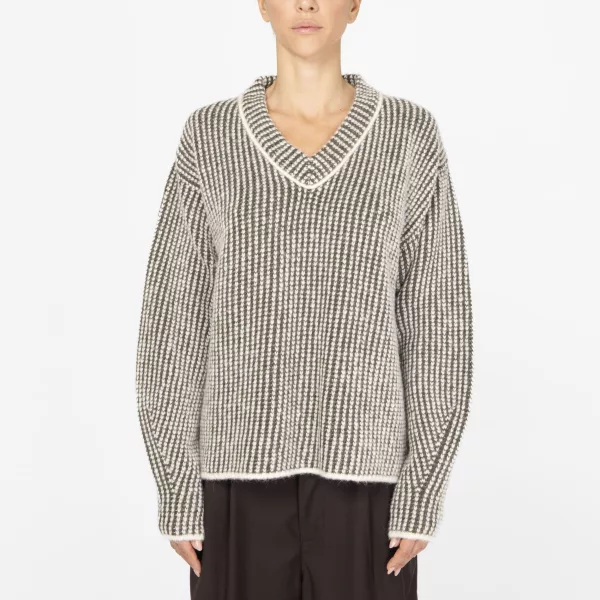
Woman’s V neck Sweater
195,00 € -
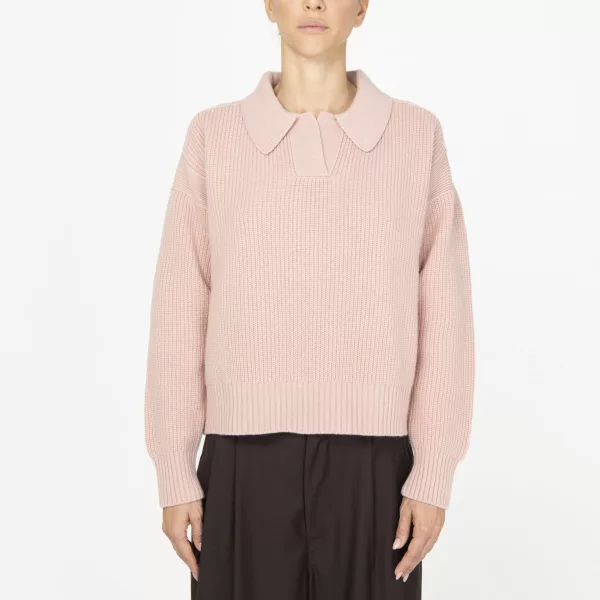
Women’s Cashmere GRS long sleeve Polo
225,00 € -
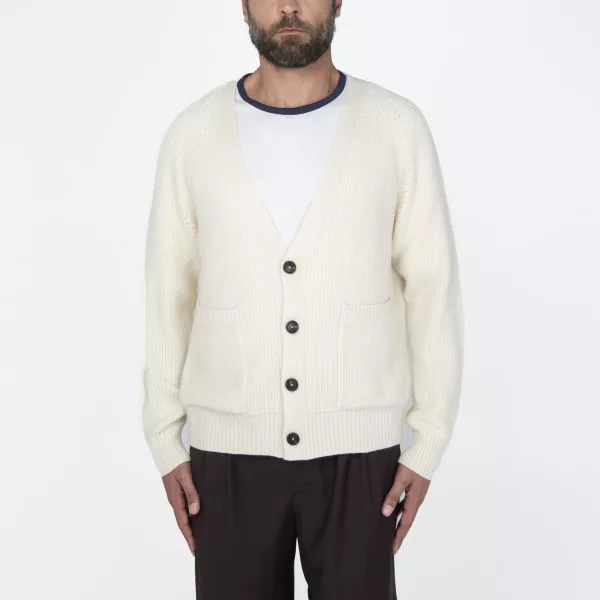
Men’s Cashmere GSR Cardigan
225,00 € -
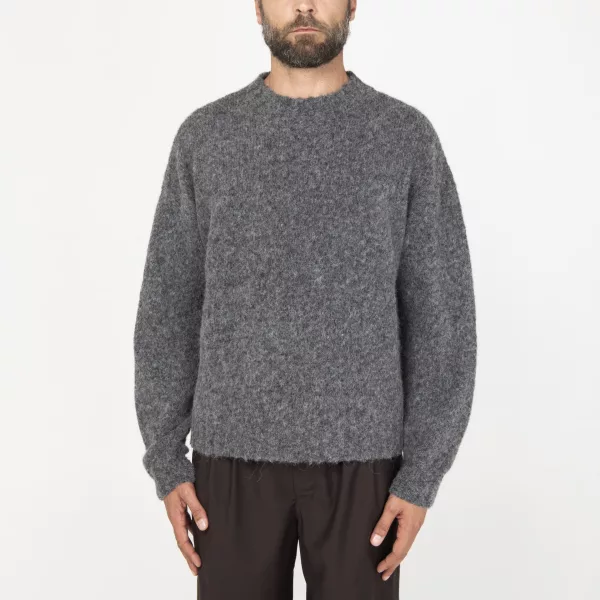
Men’s Responsible Alpaca Crewneck
195,00 € -
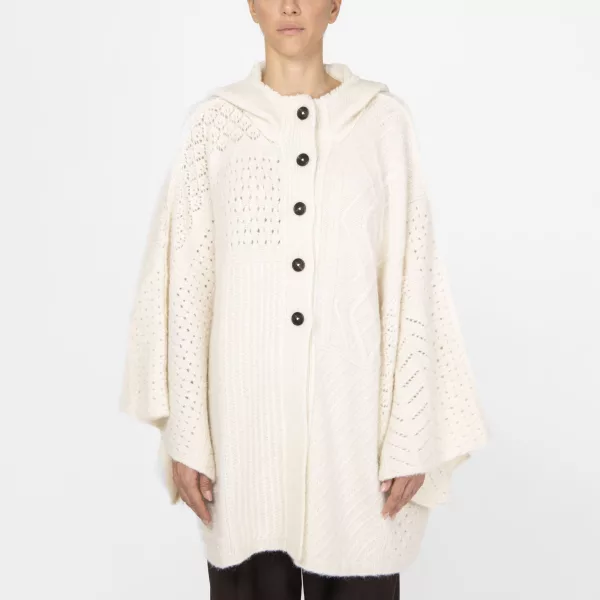
Women’s Responsible Alpaca Kimono
360,00 € -
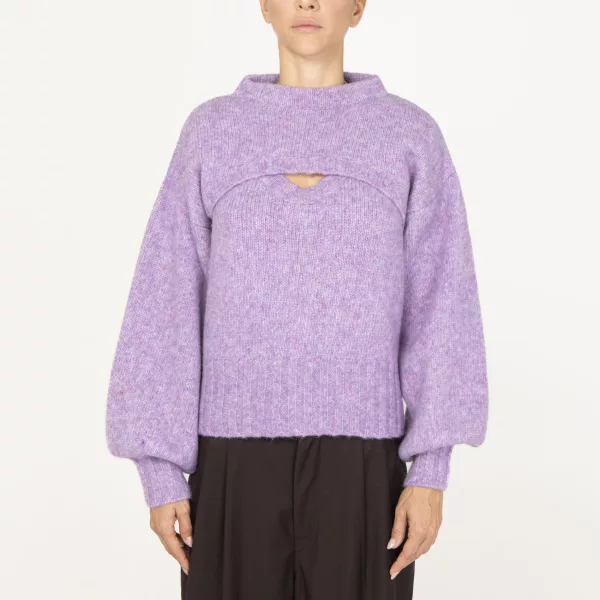
Women’s Responsible Alpaca Shrug
139,00 €
Less shopping, better choices
Buying less doesn’t mean renouncing. It means choosing more carefully what to buy.
A wardrobe built over time is made of garments that last because they fit our style, not because they follow momentary trends. It’s a form of freedom: less urgency, fewer replacements and more awareness.
At Risvolta, we believe true value lies in the relationship with what we wear, not just the garment itself. An item that accompanies you through different seasons, that ages well and tells a precise choice.
Does everything have a price? Yes, and it should be this way.
Risvolta’s price is made up of several variables and takes into account the materials used, labor, time, and durability. It doesn’t promise immediate savings.
It promises value that lasts wear after wear.
Choosing a garment isn’t just a matter of cost, but of responsibility. Towards those who produce it, towards the resources they use, towards the time that accompanies us.